The Voice Revolution: Why PoC Radio is the New Social Media for the Modern World
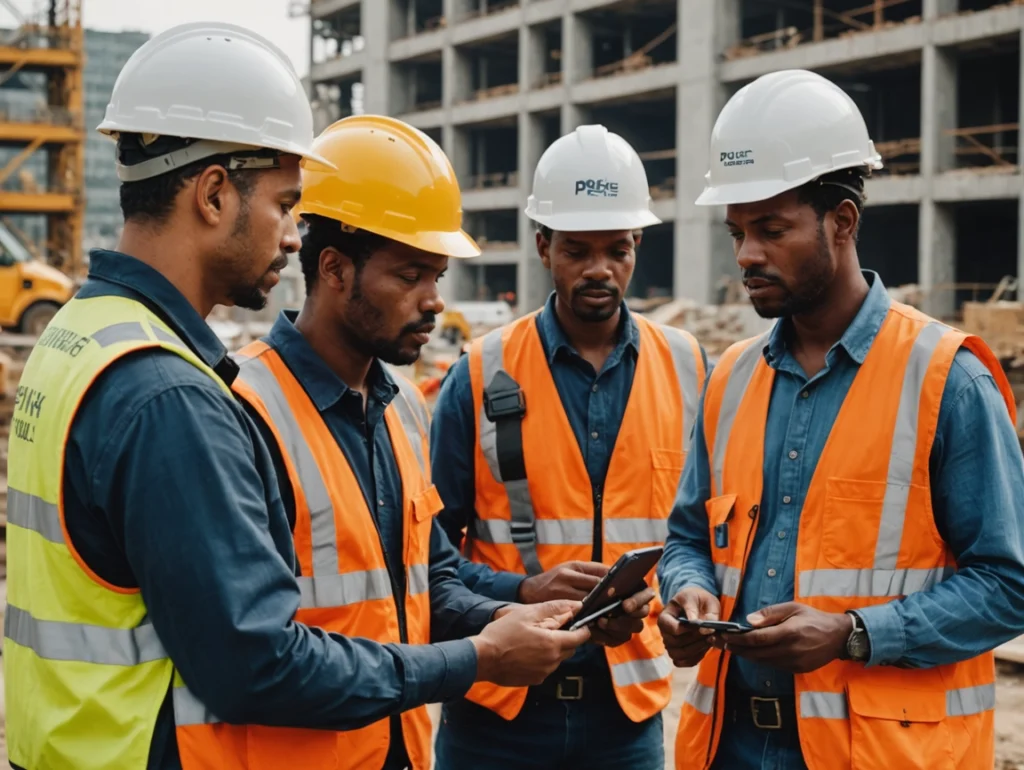
In the early 2010s, social media redefined how we connected personally. Today, a similar transformation is happening in the world—but it’s not happening on a screen. It’s happening through the speaker.
Push-to-Talk over Cellular (PoC) is rapidly evolving from a niche industrial tool into a sophisticated communication ecosystem. By combining the “always-on” nature of traditional walkie-talkies with the global reach and multimedia capabilities of cellular networks, PoC is effectively becoming the social media of the frontline.
1. The Death of Distance: Global “Groups”
Traditional two-way radios were limited by line-of-sight. If you went a mile too far, the connection died. PoC removes the “physical” from the network.
Just like a Facebook Group or a Discord server, PoC allows for limitless, global talk groups. A project manager in New York can hit a button and instantly speak to a foreman in Dubai and a logistics coordinator in London—all within the same “channel.” It’s the professional equivalent of a live group chat, but with the urgency of real-time voice.
2. Multimedia: Beyond Just Voice
Social media won because it moved beyond text to include photos, videos, and location tagging. PoC is following suit. Modern PoC devices now support:
- Always On Capability: For instant situational awareness during emergencies.
- Multimedia Messaging through use of additional apps: Sending site photos or digital manifests directly to the device.
- GPS “Check-ins”: Real-time location tracking that mirrors the “Find My” or status-sharing features of social apps.
3. The “Vibe” of Authenticity
One of the biggest 2025 social media trends is the shift toward unfiltered, real-time content. Professionals are finding that the “polished” nature of email or formal Slack threads can be too slow for high-stakes environments.
PoC offers low-latency, high-authenticity communication. There are no “drafts” or “delete for everyone” buttons in a live voice burst. This creates a high-trust environment where teams collaborate with the same speed and raw honesty found in the most successful community-led digital spaces.
4. Community-Led Growth in the Field
On platforms like TikTok, community is built through shared experiences. In industries like logistics, construction, and hospitality, PoC builds “workplace community.”
- Open Channels: Allow for “passive listening,” where team members stay informed on the project’s pulse without needing to be tagged in an email.
- Dynamic Scaling: New members can be “invited” to a channel in seconds, making onboarding as simple as following a profile.
Comparison: Traditional Social Media vs. PoC
| Feature | Social Media (Public) | PoC Radio (Professional) |
| Primary Goal | Engagement & Entertainment | Coordination & Safety |
| Reach | Global | Global |
| Input | Text, Video, Photo | Push-to-Talk Voice & Multimedia |
| Infrastructure | Internet / Cellular | 4G/5G, LTE, & Wi-Fi |
| Privacy | Public/Semi-Private | Encrypted & Enterprise-Controlled |
Conclusion: The New Frontline Standard
As we move further into 2025, the distinction between “communication tools” and “social networks” will continue to blur. PoC isn’t just about giving orders; it’s about creating a connected, responsive, and data-rich community of workers who can collaborate across any distance.
The radio isn’t just a walkie-talkie anymore—it’s the dashboard of the modern workforce.